
How Acceptance and Commitment Therapy Helps You Move Toward What Matters Most
Many people come to therapy hoping to get rid of anxiety, stop overthinking, or finally feel more confident. While those are great goals, trying to control or eliminate uncomfortable emotions often leaves us feeling even more stuck.
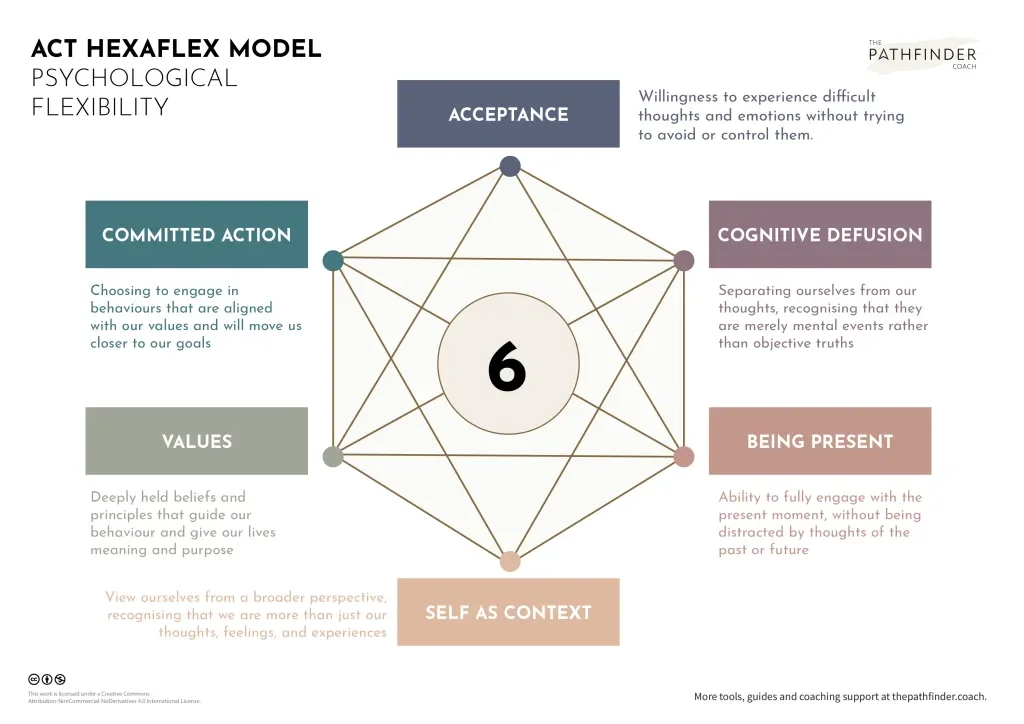
Acceptance and Commitment Therapy (ACT) offers a different approach. Instead of asking, "How do I stop feeling this?" ACT asks, "How can I live the life I want, even when difficult thoughts and emotions show up?"
The goal isn't to never feel anxious, sad, or uncertain again. It's to help you build the flexibility to experience those emotions without letting them determine how you live your life.
Making Room for Difficult Feelings
No one likes feeling anxious, overwhelmed, disappointed, or afraid. It's natural to want those feelings to go away as quickly as possible. However, the harder we fight them, the more they seem to take over.
In ACT, we practice making room for uncomfortable emotions instead of constantly battling them. This doesn't mean liking them or giving up. It means acknowledging that emotions are a normal part of being human and learning that we can carry them with us without letting them make all of our decisions.
Imagine anxiety showing up before an important presentation, a difficult conversation, or a first date. ACT isn't about making the anxiety disappear before you move forward. It's about learning to notice it, make space for it, and still choose the action that's important to you.
Your Feelings Don't Have to Be in Charge
Our minds are constantly trying to protect us. Sometimes that means telling us to avoid anything that feels uncertain or uncomfortable. You might have thoughts like, "Don't raise your hand, you'll embarrass yourself," or "Wait until you feel more confident." They may be well-intentioned, but following them every time can keep us from building the life we want.
ACT helps you learn that thoughts and emotions don't have to be in control. They can exist alongside forward momentum and progress. So many people discover that when they stop fighting so hard against their thoughts and emotions, they have more energy to invest in the things that truly matter.
Living According to Your Values
One of my favorite parts of ACT is its focus on values.
Values are different from goals. A goal is something you accomplish, like graduating or getting a promotion at work. Values are the qualities you want to bring into your life every day, and what is most important to you in your life. They might include being compassionate, adventurous, honest, present with your family, or connected to the people you love.
When we're caught up in avoiding discomfort, it's easy to lose sight of your values. We might skip social events because of anxiety, avoid difficult conversations because they feel uncomfortable, or put off pursuing opportunities until we feel more confident.
ACT gives us the tools to ask a different question: If fear weren't making this decision for me, what would I choose?
Living according to your values doesn't mean you'll never feel anxious or uncertain. It means those feelings no longer get to be in control of your life.
What ACT Looks Like in Practice
In our work together, we'll explore the patterns that might be keeping you stuck and develop new ways of responding to difficult thoughts and emotions. We'll spend time identifying what truly matters to you, noticing when fear or self-doubt pull you away from those values, and practicing skills that help you make room for uncomfortable experiences while continuing to move toward the life you want.
Rather than striving for a life without negative emotions or discomfort, our goal is to help you build a life that feels authentic and fulfilling, even when things feel difficult.
Is ACT Right for You?
ACT may be a good fit if you often find yourself waiting to feel less anxious, more confident, or more motivated before taking action. It can also be helpful if you feel like fear, self-doubt, or overthinking have started making too many of your decisions. You don't have to wait until your emotions change before your life can begin to change. We can work together on developing flexibility to make room for those emotions while building a life that's guided by what’s important.